

What the tenancy agreement says
Your tenancy agreement is the most important guide to what your landlord expects when you move out. This is the written contract you signed at the start of the tenancy. It explains your duties and your landlord’s duties, including what should happen when the tenancy ends.
Most tenancy agreements have a section about leaving the property. This section may cover cleaning, gardening, decoration, keys and what to do with furniture. It might also tell you if you must pay for a professional clean or carpet clean. Some agreements say this clearly, while others say the property must be left completely clean and in good order.
You should read your tenancy agreement again several weeks before you move out. Do not rely on memory. Look for words like “end of tenancy”, “check-out”, “cleaning”, “repairs”, “decorating” and “deposit”. Make a simple list of what you need to do, based on the contract, to keep things clear in your mind.
If anything in the agreement is unclear, ask your landlord or letting agent in writing. It is better to ask questions early than to argue later. Keeping emails or letters also gives you a record if there is a disagreement about what was agreed.
Cleaning standards landlords expect
Landlords usually expect the property to be left as clean as it was when you first moved in, allowing for some wear and tear that may have occurred along the way. This level of cleanliness is typically called “professionally clean”, even if you do the work yourself. The key point is that the property should look and feel fresh, hygienic and ready for a new person to move in.
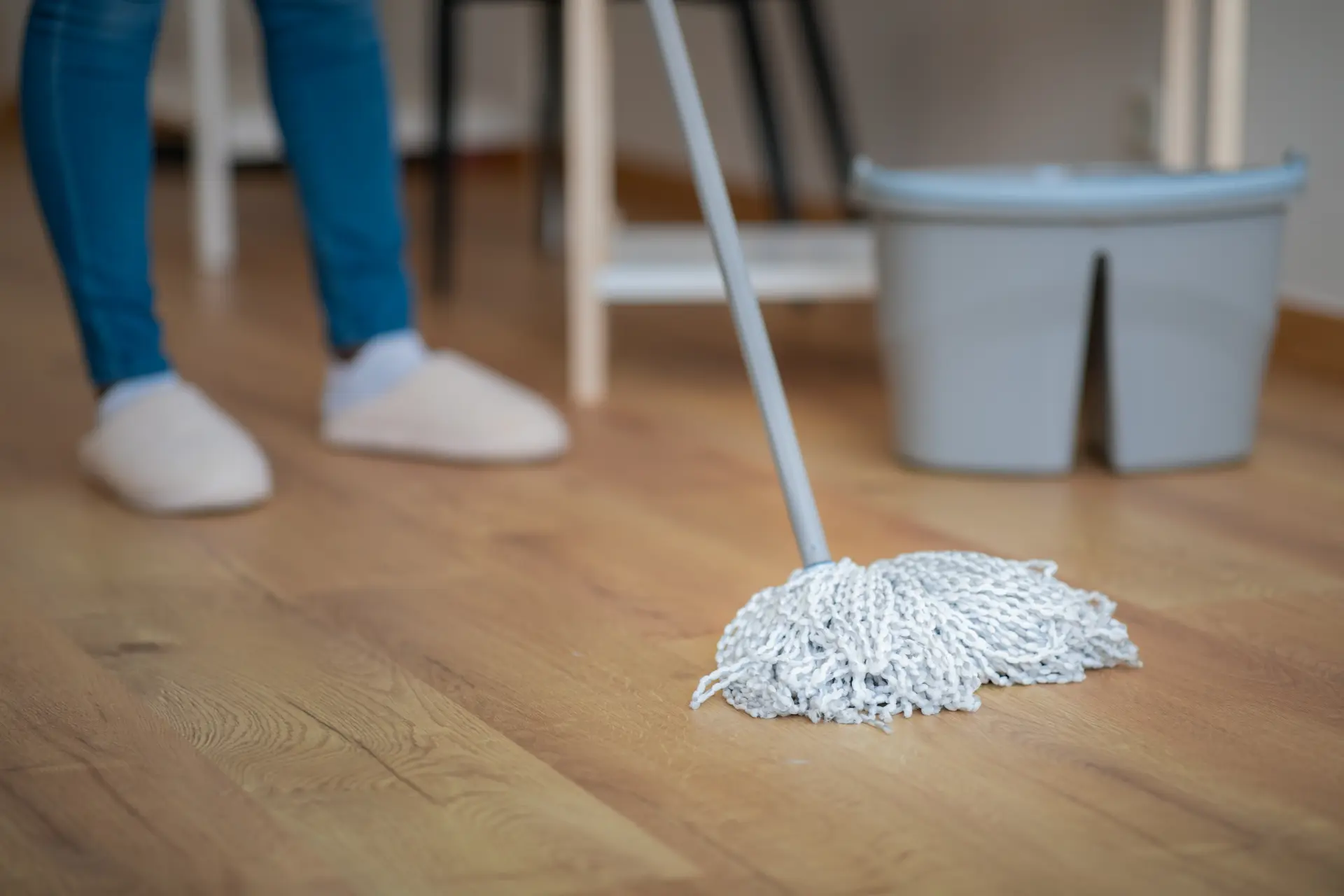
General cleaning should cover every room. This includes dusting all the surfaces, wiping skirting boards, cleaning windows inside, and removing cobwebs. Carpeted or wood floors should always be vacuumed or swept and then mopped if they are hard floors. Do not forget light switches, door handles and plug sockets, as these often show marks and fingerprints.
The kitchen usually needs the most time and effort. Landlords expect ovens, hobs and extractor fans to be degreased and free from burnt food. Cupboards should be emptied and wiped inside and out. The fridge and freezer must be empty, defrosted if needed, and cleaned. Worktops, tiles and sinks should be limescale-free and not sticky or stained.
Bathrooms are another major area to focus on. Tiles, grout, taps and shower heads should be free from mould and limescale. Toilets must be cleaned properly, including under the rim. Mirrors, glass screens and basins should be left shiny and streak-free. If there is any mould, you should treat it carefully with a suitable cleaner, as landlords often take a strict view on bathroom cleanliness.
Walls, paintwork and minor repairs
Landlords understand that small signs of normal living will appear over time, and this is called fair wear and tear. Faded paint, slightly worn carpets, or a few small nail holes may be accepted, depending on how long you lived there. However, clear damage or neglect is different and may lead to deposit deductions.
You should look carefully at the walls and paintwork in each room. Marks from furniture, dirty fingerprints, Blu-Tac stains or scuff marks can often be cleaned gently with a soft cloth and mild cleaner. Avoid scrubbing too hard, as this can damage the paint and make the wall look worse. If the walls are very marked, you may need to touch up the paint, but only with the same colour and finish.
Many landlords also expect you to take care of the minor repairs around the property. This can include replacing broken light bulbs, refitting loose cupboard doors, tightening door handles and making sure curtain poles are secure. If you removed anything that belonged to the property, such as shelves or hooks, you should refit them or fill any large holes in the wall.
Rubbish, recycling and bulky items
Landlords expect the property to be completely clear of your belongings when you move out. This includes all rubbish, recycling and any bulky items like old furniture or broken appliances that you brought into the home. Leaving items behind can delay new tenants moving in and may lead to removal charges.
Before you leave, check every cupboard, drawer and storage space, including the loft, shed or garage if you have access to them. It is easy to forget items tucked away in high cupboards or under beds. You should also clear balconies, gardens and shared outdoor spaces of any personal items you have placed there.
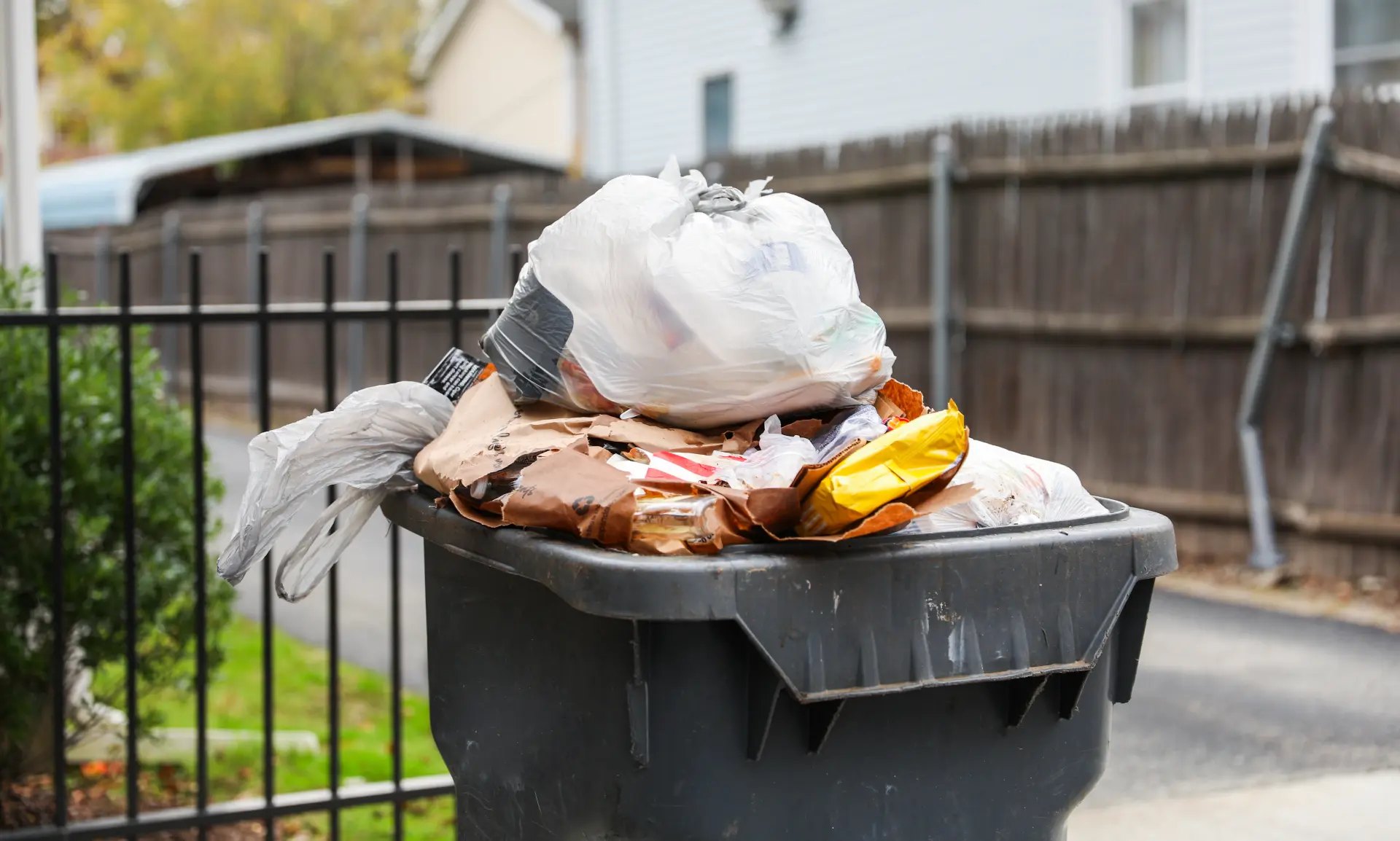
Household rubbish should be separated into normal waste and recycling, following the local council rules. Put bags in the correct bins and make sure bin lids close properly. Overfilled bins or loose rubbish left beside bins can cause problems and may lead to complaints from neighbours and the landlord.
For larger items that you no longer want, such as old sofas or broken wardrobes, use proper disposal services. Many local councils tend to offer bulky waste collection for a fee, and some charities may accept furniture in good condition.
Do not leave unwanted items in communal areas, corridors or outside the property, as this can be seen as fly-tipping.
Rent, arrears and final bills
Landlords expect all rent to be fully paid up to the agreed end date of the tenancy. Moving out early does not usually mean you can stop paying rent unless you have a clear agreement in writing. If there is any rent outstanding, the landlord may take this from your deposit or pursue you for the payment.
If you are struggling to pay the final rent, it is better to speak to your landlord or agent as soon as possible. Open, polite communication can sometimes lead to an agreed payment plan. Yet, ignoring the problem can damage your references and make it much harder to rent again in the future.
You, as the tenant, are also responsible for final bills such as gas, electricity, water, council tax and internet, if these are in your name. Before you leave, take clear meter readings with date-stamped photos. Give these readings to your suppliers and the landlord or agent. This helps make sure you only pay for the energy you have used.
At Clear That Services, we can help clear away all your rubbish and unwanted goods from your property. Whether you're looking to get rid of a few items, bags, or pieces of furniture, a bereavement clearance, garden waste collection, or a complete end-of-tenancy clean, give our team a call today.
Related Articles

End of Tenancy Clearance For Probate or Voids